



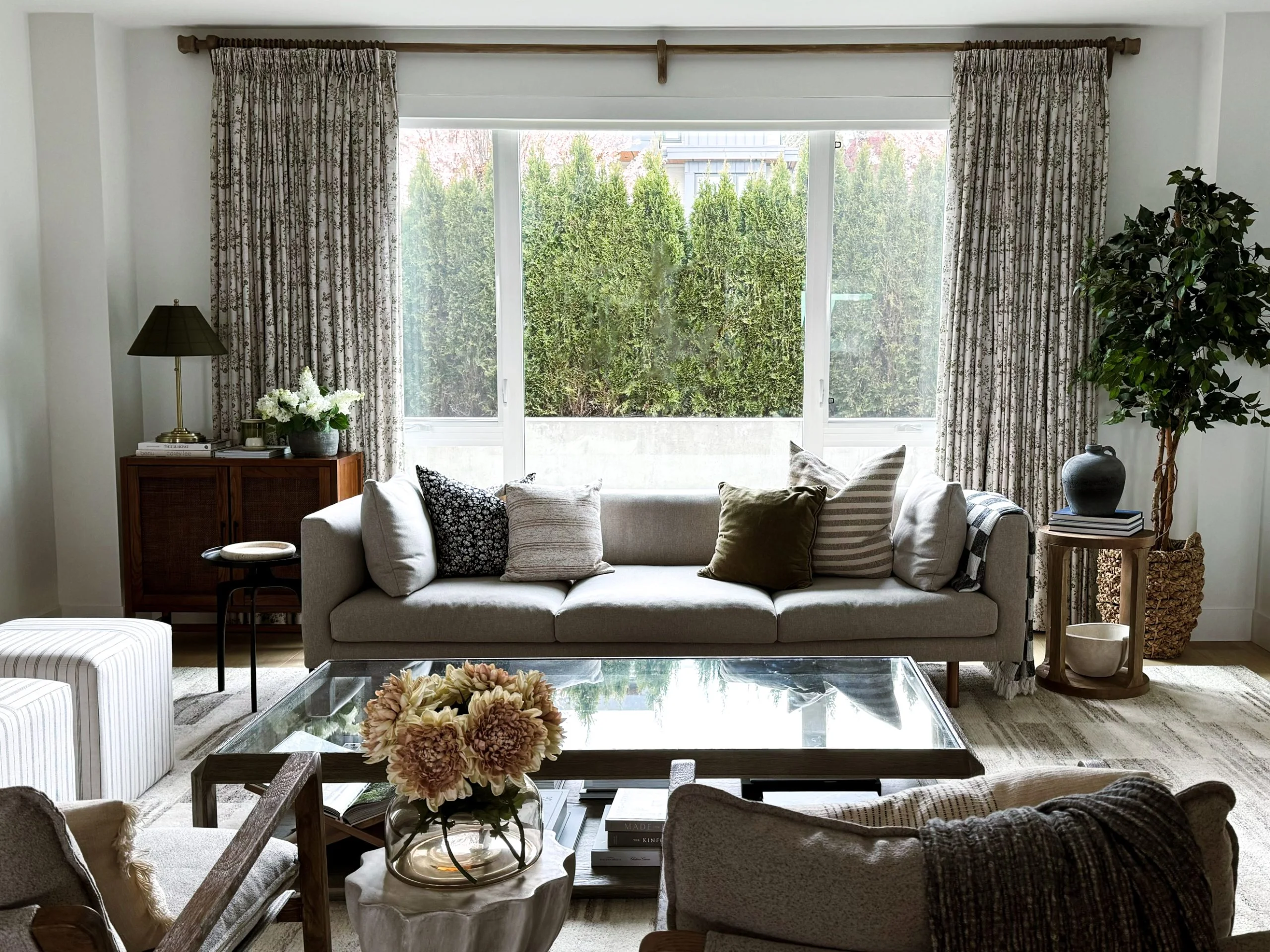
TWOPAGES Curtains Statistics: Buyer Trends, Sales Performance & Product Insights
TWOPAGES is a precision-focused curtain brand offering tailored window solutions for buyers who prioritize custom dimensions, material choice, and pleat…
Curtains and drapes are one of the few home categories that sit at the intersection of pure function and visible design, doing the practical work of blocking light and adding privacy while also acting as one of the largest single fabric elements in most rooms. That dual role is part of why the category covers such a wide range of products, from simple sheer panels meant mainly to soften light, to fully lined blackout drapes engineered to block it almost entirely.
Market research firms estimate the global curtains and drapes market at somewhere between roughly twenty five billion and twenty seven billion dollars in 2026, with growth projections commonly landing in the five to six percent annual range through the early 2030s. When blinds and other hard window coverings are included in the same market definition, some reports place the combined window covering category closer to forty five billion dollars by the mid 2030s.
Fabric specific research adds useful context to those broader figures, with the curtain fabric segment alone estimated in the low double digit billions of dollars and projected to keep growing at a similar mid single digit pace. Consumer survey data cited across multiple industry sources suggests curtain fabric is used in the large majority of households for a combination of privacy and decoration, underscoring how close to universal this category is compared to more discretionary home goods.
Curtains and drapes break down into several distinct subtypes based primarily on fabric weight and intended function, and matching the right subtype to a specific room matters more than most shoppers initially expect.
| Subtype | Light Control | Typical Placement |
|---|---|---|
| Sheer curtains | Minimal, softens and diffuses light | Living rooms, layered with heavier drapes |
| Light filtering curtains | Moderate, reduces glare without full darkness | Living areas, kitchens, dining rooms |
| Blackout curtains | Near total, blocks the large majority of light | Bedrooms, nurseries, media rooms |
| Thermal insulated curtains | Variable, focused on temperature control | Rooms with drafty or older windows |
| Outdoor curtains | Moderate, weather resistant fabric | Patios, porches, covered outdoor spaces |
| Motorized and smart curtains | Variable, automated opening and closing | Any room, increasingly bedrooms and living rooms |
Many rooms actually use two curtain types layered together, most commonly a sheer panel closer to the window paired with a heavier drape in front, which allows a household to adjust light and privacy levels throughout the day without needing a single fabric to do both jobs at once. This layered approach is one of the more practical things shoppers new to the category tend to learn only after living with a single layer solution that turns out to be too much or too little for daily use.
Fabric composition is the most direct price driver in this category. Natural fiber fabrics such as linen and cotton generally cost more than synthetic alternatives like polyester, though industry trend reporting notes growing consumer demand for natural and natural look fabrics despite the higher price point, reflecting a broader preference shift toward materials perceived as higher quality and more sustainable.
Lining and construction add meaningful cost for blackout and thermal curtains specifically, since these require an additional fabric layer and more involved sewing construction compared to a single layer sheer or light filtering panel. The added material and labor cost is usually reflected proportionally in the final price.
Width and length requirements affect price directly since curtains are generally sold or custom made based on the actual window and desired fullness, and wider windows or floor length drapes simply require more fabric than a standard sized panel. Custom sizing for non standard windows typically carries a further premium over off the shelf standard sizes.
Motorization and smart features represent the fastest growing price premium segment in the category. Industry forecasts point to motorized and automated window coverings as the fastest growing sub segment of the broader market, with growth rates cited well above the category average, reflecting rising demand for home automation integration.
| Room Type | Common Priority | Suggested Fabric Weight |
|---|---|---|
| Bedroom | Darkness, privacy, sleep quality | Heavy, lined or blackout |
| Living room | Natural light with some privacy | Medium weight or layered sheer plus drape |
| Kitchen | Easy cleaning, moisture resistance | Lightweight, washable fabric |
| Home office | Glare reduction for screens | Light filtering, medium weight |
Matching fabric weight to the actual function a room needs, rather than choosing purely on visual style, tends to produce better long term satisfaction than prioritizing appearance alone during the purchase decision.
Fabric weight and thread count, when disclosed, give a more reliable sense of durability than product photos alone, since a lightweight fabric photographed well can look deceptively similar to a heavier, more durable option in a standard product image. Checking these specifications directly avoids a common mismatch between expectation and delivered product.
Care instructions deserve a direct check before purchase, since curtains vary enormously in whether they can be machine washed, require dry cleaning, or need specialized spot cleaning, and this affects the true long term cost and convenience of ownership well beyond the initial purchase price.
Return policies matter more in this category than in many home goods categories because curtains are one of the more common items to be ordered in a wrong size or an unexpectedly different color once seen in actual room lighting. Confirming a workable return or exchange window before ordering avoids getting stuck with an unsuitable purchase.
For blackout and thermal curtains specifically, checking for independent or third party test data on light blocking or insulation performance, when available, offers a more objective comparison than marketing language like nearly complete blackout, which is not a standardized or independently verified claim across brands.
Curtain and home textile shopping tends to cluster around a few predictable periods, including spring cleaning and refresh season, back to school and fall home preparation, and the period following major home moves throughout the year. Thermal and insulated curtain interest specifically tends to rise heading into colder months as households look for practical ways to reduce heat loss through windows.
Outdoor curtain demand follows a clearer seasonal pattern tied to warmer weather and outdoor living season in most climates, with interest typically building through spring and peaking over the summer months before tapering as outdoor space use declines with colder weather.
Underestimating the width needed for proper fullness is one of the most common curtain buying mistakes, since curtains hung at exactly window width tend to look flat and thin once installed, while a panel roughly one and a half to two times the window width generally produces the fuller, more finished look most buyers actually picture when shopping.
Choosing curtain length based on the window frame alone rather than the actual hanging height is another frequent issue, since curtains are typically hung above the window frame on a rod positioned higher on the wall, meaning the true required length is usually longer than the window opening itself suggests.
Assuming all fabrics described as blackout perform identically is a mistake worth avoiding, since blackout construction quality varies meaningfully between brands and the actual light blocking performance can differ noticeably even among products using similar marketing language.
Overlooking maintenance requirements before purchase, particularly for households with pets, allergies, or high humidity kitchens and bathrooms, can lead to choosing a fabric that looks appealing initially but proves impractical to keep clean over time.
Industry trend reporting for 2026 points consistently to a shift toward natural and natural look fabrics such as linen, cotton, and other plant based fibers, alongside growing interest in sustainably produced and digitally printed fabric options. Multiple sources cite meaningful consumer shifts toward sustainable materials and away from purely synthetic options compared to just a few years earlier.
Smart and motorized curtains represent the clearest technology driven trend in the category, with automated window coverings consistently identified as the fastest growing sub segment across multiple market research firms. This growth is generally attributed to broader smart home adoption rather than curtain specific demand alone.
Customization has also grown as a purchasing preference, with industry surveys suggesting a meaningful share of buyers now value the ability to customize fabric, length, and finishing details rather than purchasing purely off the shelf standard options, reflecting the broader home goods trend toward personalization.
Start by identifying the primary function needed for each specific room, whether that is maximum darkness for sleep, moderate light filtering for a living space, or purely decorative softening for a room with adequate privacy already, since this single decision narrows the fabric weight category faster than browsing by style alone.
Measure carefully before ordering, accounting for both the fullness multiplier for width and the actual desired hanging height for length, since these two measurements drive most of the fit related dissatisfaction reported across this category.
Check fabric composition, care instructions, and return policy together before finalizing a purchase, particularly for any blackout, thermal, or higher cost custom order where a mismatch is more costly and time consuming to correct after the fact.
Finally, consider layering a sheer and a heavier drape together in rooms with mixed light and privacy needs throughout the day, rather than assuming a single fabric type needs to handle every situation a room might present.
Ready made curtains sold in standard width and length combinations cover the majority of typical window sizes and remain the fastest and generally most affordable route for most households. These standard sizes work well for conventional window dimensions but can leave a noticeable gap or pooling excess for windows that fall outside common measurements.
| Option | Turnaround | Best Suited For |
|---|---|---|
| Ready made standard sizes | Immediate to a few days | Conventional window dimensions |
| Made to measure | Several weeks typically | Non standard windows, exact fit needs |
| Fully custom design | Longest, often several weeks or more | Specific fabric, lining, or finishing requirements |
Made to measure and fully custom options cost more and take longer to arrive, but they solve fit problems that no amount of careful shopping within standard sizes can fully address, particularly for unusually tall, wide, or oddly proportioned windows. For a household with several nonstandard windows, the cost premium of custom sizing is often smaller in practice than the cumulative cost of buying and returning multiple ill fitting standard options while searching for an acceptable compromise.
Anyone considering custom curtains for the first time should confirm the measurement process carefully, since a custom order is far more difficult and costly to correct after the fact than a standard ready made purchase. Many made to measure services provide detailed measurement guides specifically because measurement error is the most common source of dissatisfaction with custom orders.
TWOPAGES is a precision-focused curtain brand offering tailored window solutions for buyers who prioritize custom dimensions, material choice, and pleat…