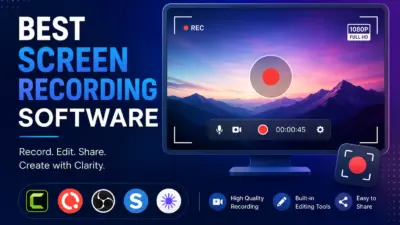
Best Screen Recording Software (2026): Free & Paid Tools Compared
The right screen recorder depends entirely on what you’re recording it for. A quick async update to a coworker needs…
Best today: up to 83% off at CyberGhost VPN. 1,011 live offers from 243 brands, checked 15 Oct 2026.
The best of 1,011 live offers. Each card opens the store page with every live code.
 Truecaller
 Sender.net
 Coohom
 Sider AI
 CookieYes
 WPS Office
 AOMEI
AOMEI
 BytePlus
 Vidu AI
 FastestVPN
 Stellar
 CyberGhost VPN
 Muvi
Muvi
 ExpressVPN
 Ashampoo
 EaseUS
 MindManager
 Leadpages
 Mysterium VPN
 ElevenLabs
 QuillBot
 Wati
Wati
 Semrush
 Proxy Cheap
 Trend Micro
 Buzzy AI
 StackSocial
 WinZip
 Fonelora
 Corel
Corel
 Movavi
 Shutterstock
 Switcher
 Salesmsg
 Coveron
 Flowith
 iolo
iolo
 Dealfuel
 Zoviz
Truecaller
Sender.net
Coohom
Sider AI
CookieYes
WPS Office
AOMEI
BytePlus
Vidu AI
FastestVPN
Stellar
CyberGhost VPN
Muvi
ExpressVPN
Ashampoo
EaseUS
MindManager
Leadpages
Mysterium VPN
ElevenLabs
QuillBot
Zoviz
Truecaller
Sender.net
Coohom
Sider AI
CookieYes
WPS Office
AOMEI
BytePlus
Vidu AI
FastestVPN
Stellar
CyberGhost VPN
Muvi
ExpressVPN
Ashampoo
EaseUS
MindManager
Leadpages
Mysterium VPN
ElevenLabs
QuillBot
No offers match. Clear a filter to see more.
Truecaller3 offers Sender.net3 offersCoohom8 offers
 Sider AI7 offers
 CookieYes5 offers
 WPS Office3 offers
 AOMEI8 offersBytePlus4 offersVidu AI6 offers
 FastestVPN7 offers
 Stellar14 offers
 CyberGhost VPN5 offersMuvi4 offers
 ExpressVPN17 offers
 Ashampoo8 offers
 EaseUS4 offers
 MindManager5 offersLeadpages4 offers
 Mysterium VPN5 offers
 ElevenLabs6 offers
 QuillBot12 offers
 Wati7 offersSemrush5 offersProxy Cheap5 offers
 Trend Micro10 offersBuzzy AI4 offers
 StackSocial4 offers
 WinZip4 offersFonelora2 offers
 Corel8 offers
Most software is no longer bought once and kept. It is rented by the month or year, renews automatically, and changes price at renewal, which means the real cost of a tool is what you pay over the years you use it, not the first payment.
That is why software coupons need a different kind of attention from other categories. A big first year discount is only good value if the renewal price is one you would still pay.
This page brings together every software store we list. Each kind of software has its own page:
| Section | What you will find |
|---|---|
| VPN & Privacy | VPNs and privacy tools |
| Antivirus & Security | Antivirus and internet security |
| Password Managers | Password storage and autofill |
| Productivity | Office, PDF, writing and planning |
| Business Software | Accounting, CRM, support and phones |
| Marketing Tools | SEO, email and social media |
| Design Software | Graphic, photo and 3D design |
| Video & Audio Editing | Video editors and AI voice tools |
| Creative Assets | Stock photos, fonts and templates |
| PC Utilities | Cleaners, backup and recovery |
| Cloud Storage & Backup | Online storage and backup |
| Parental Control & Monitoring | Screen time and monitoring apps |
| Proxies | Proxy and web scraping services |
Stores listed directly on this page include software deal marketplaces such as AppSumo and StackSocial, AI developer tools, and software that does not fit a single section.
Monthly plans cost the most over time but let you stop whenever you like. Annual plans are cheaper per month and suit tools you use all year, while lifetime deals are paid once but depend on the company staying in business and continuing to update the product.
Try a tool on a monthly plan or free trial before committing to a year. Many annual plans are not refundable after a short window.
Introductory discounts on security, VPN and hosting software often apply only to the first term. Check the renewal price on the plan page or in the terms before you buy, and set a reminder a week before the renewal date.
Turning off automatic renewal usually keeps your access until the end of the paid period. That gives you time to compare offers without losing the service.
Many suites now bundle tools you may already pay for separately. A security suite may include a VPN and password manager, and an office suite may include cloud storage, so check what you already have before adding another subscription.
Before paying for software, check whether a free option covers what you need. LibreOffice handles most office documents, GIMP and Inkscape cover a lot of image editing, DaVinci Resolve is a free professional video editor, and Bitwarden offers a free password manager.
Your operating system may already include what you are about to buy. Windows includes Microsoft Defender antivirus and basic backup tools, and macOS includes Time Machine backup, so a paid tool should add something those do not.
Software discounts are often biggest around Black Friday and Cyber Monday, and on annual or multi year plans. Education, nonprofit and startup pricing can also beat a public coupon, so check whether you qualify.
Buy from the developer's own site or an authorized reseller. Very cheap license keys from unknown sellers can be revoked, leaving you with software that stops working.
The right screen recorder depends entirely on what you’re recording it for. A quick async update to a coworker needs…
Most lists of coupon tracking software are running on numbers and company details from 2023 or earlier. In the time…