



How to Build a Skincare Routine Without Overspending
Dermatologists agree on remarkably little in public, but they agree on this: a cleanser, a moisturizer, and a sunscreen, used…
Ranked by offers live right now.
Stores whose offers changed most recently.
 BeautifiedYou
 NeoGenesis
 Neemli Naturals
 Organic Harvest
 JiViSa
 Cle de Peau Beaute
 Kiehl's
 Skin + Me
 Antinorm
 Brillare
 Shiseido
 Dermstore
 Ole Henriksen
 Kama Ayurveda
 VedaOils
 Bath & Body Works India
 Mamaearth
 Earth Rhythm
 TruSkin
 Novology
 Ounce Organics
 BYROKKO
 Kindlife
 Biotique
 Indus Valley
 Conscious Chemist
 Aqualogica
 SkinInspired
 Amiro
Amiro
 Khadi Natural
 The Derma Co
 ESPA
ESPA
 The Ayurveda Co
 Love Beauty and Planet
 Foreo
Foreo
 Foxtale
 Body Cupid
 Neude Skin
 iVedic
 Soulflower
 Neuherbs
 CosIQ
CosIQ
 Innovist
 Mcaffeine
 Purlisse
 Nature 4 Nature
 Arata
Arata
 Ghar Soaps
 Elemntlife
 WishCare
 Skinkraft
 Setu
Setu
 Plum
Plum
 Fixderma
 Suroskie
 Buds and Berries
 Lancome
 Ikkai
Ikkai
 Root Natural
 ALLEVEN
 RANAVAT
 Sadhev
 Nourish Mantra
 Wellify
 Kaya Science
 Primally Pure
 Kass
Kass
 Seranova
 EEZYSUN
 Hyphen
 St.Botanica
 Kate Somerville
 OLAY
OLAY
 Vedix
Vedix
 DermSilk
 Dr Sheth's
 Nat Habit
 Activ Beaute
 Enn Beauty
 Pink Foundry
 REN Skincare
 Yves Rocher
 Sera Labs
 The Body Shop
Kiehl's UK
The Body Shop
Kiehl's UK
 Notino
 Sol de Janeiro
 Simple Skincare
 Evelance
 Lotus Botanicals
 ISDIN
ISDIN
 The Ordinary
 82E
Kiehl's India
82E
Kiehl's India
 Mywellnesskart
 100% Pure
 The Ayurveda Experience UK
 Deconstruct
 Lifeline Skin Care
 Vilvah
 Sery Cosmetics
 Neutrogena
 Acne Squad
 SebaMed
 Teal and Terra
 Lotus Herbals
 Paula's Choice
 Earthraga
 Mellow
 Chemist At Play
 Evloy
Evloy
 Lotus Organics
 SoulTree
 O3Plus
 Organic Kitchen
 Lotus Professional
 Health & Glow
 Clensta
 Jovees
 Ponds
Ponds
 Yahvi
Yahvi
A sunscreen's SPF number only tells half the story. SPF measures protection against UVB, the rays that cause sunburn, while UVA rays age the skin and pass through clouds and glass, which is why the EU recommends that a sunscreen's UVA protection be at least one third of its SPF and why US labels say "broad spectrum" when a product covers both.
Details like that are what separate a skincare routine that works from an expensive shelf of products. This category covers cleansers, serums, moisturizers, sunscreens, masks and treatments, from derm focused brands such as The Ordinary, Minimalist, Paula's Choice, Neutrogena and The Derma Co to Ayurvedic and natural brands such as Kama Ayurveda, Plum, Mamaearth and Biotique, and retailers such as Dermstore and Notino.
Makeup is in Makeup, hair products in Haircare, and Ayurvedic health products in Ayurveda.
| Type | Examples here | Best for |
|---|---|---|
| Active ingredient brands | The Ordinary, Minimalist, Paula's Choice, The Derma Co, Deconstruct | Targeting specific concerns |
| Pharmacy and derm brands | Neutrogena, SebaMed, ISDIN, Simple, Fixderma | Sensitive skin and everyday care |
| Natural and Ayurvedic | Kama Ayurveda, Plum, Mamaearth, Biotique, Lotus Herbals | Plant based routines |
| Premium and luxury | Kiehl's, Shiseido, Lancome, Kate Somerville, ESPA | Texture and experience |
| Skincare retailers | Dermstore, Notino, Health & Glow | Comparing many brands |
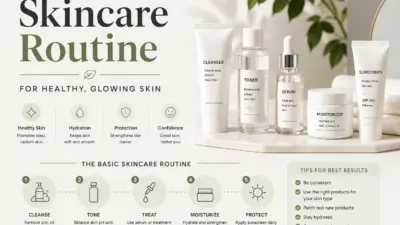
Most skin does well with three steps: a gentle cleanser, a moisturizer and, in the daytime, a broad spectrum sunscreen. Dermatologists consistently rank daily sunscreen as the most effective step for preventing premature ageing.
Add treatments one at a time, and only for a specific concern such as acne, pigmentation or fine lines. Adding several new actives at once makes it hard to tell which product is helping or causing irritation.
| Ingredient | Mainly used for |
|---|---|
| Retinoids, such as retinol | Fine lines, texture and acne |
| Vitamin C | Brightening and antioxidant protection |
| Niacinamide | Oil control, redness and pores |
| Salicylic acid (BHA) | Blackheads and oily, acne prone skin |
| Glycolic and lactic acid (AHAs) | Dullness and uneven texture |
| Hyaluronic acid | Hydration |
Stronger is not always better. A lower concentration used consistently often works as well as a high one with less irritation, and retinoids and acids make skin more sensitive to the sun, so sunscreen matters even more when you use them.
Ingredients are listed from highest to lowest concentration, using standard INCI names. A "hero" ingredient on the front of the pack that appears near the end of the list may be present only in a small amount.
Words such as "clean", "natural" and "chemical free" have no fixed legal meaning in most markets. They tell you about marketing, not safety or effectiveness.
Oily and acne prone skin usually prefers light, gel textures labelled non comedogenic, while dry skin benefits from richer creams with ingredients such as ceramides and glycerin. Sensitive skin does best with short ingredient lists and fragrance free formulas.
Patch test new products on a small area for a day or two before using them on your whole face, especially exfoliating acids and retinoids.
Chemical sunscreens absorb UV and usually feel lighter, while mineral sunscreens with zinc oxide or titanium dioxide sit on the skin and are often gentler for sensitive skin. Both protect well when applied generously and reapplied every two hours in the sun.
Most people apply far less sunscreen than the amount used in SPF testing, which lowers the real protection. A common guide is about two finger lengths of product for the face and neck.
Many affordable brands use the same key actives as premium ones at similar concentrations. What you usually pay extra for in luxury skincare is texture, fragrance and packaging, which matter to some people but do not change results much.
Spend where formulation makes a difference, such as a well made sunscreen you enjoy wearing every day, and save on basics such as cleansers.
Over the counter products handle mild acne, dryness and early signs of ageing well. Persistent or painful acne, acne that leaves scars, sudden rashes and patches of pigmentation that keep spreading are worth showing to a dermatologist, who can prescribe stronger treatments.
Online skin consultation services and prescription skincare brands now offer dermatologist advice remotely. Check that a real, registered dermatologist reviews your case before paying for a personalized formula.
Check the open jar symbol on the pack, such as 6M or 12M, which shows how many months a product lasts after opening. Vitamin C and retinoid products degrade with light and air, so buy them in opaque, airtight packaging and use them within that time.
Beauty retailers run big sales several times a year, along with Black Friday and festival season offers. Value sizes and duo packs of everyday products such as cleansers and moisturizers usually offer the best saving.
Buy from the brand or an authorized retailer, since fake skincare is common on marketplaces. Stock up on items you already know suit you, rather than trying several new products at once because they are discounted.
Dermatologists agree on remarkably little in public, but they agree on this: a cleanser, a moisturizer, and a sunscreen, used…
L’Oréal sold The Body Shop in 2017. Its next owner sold it again in 2023. Three months after that second…